
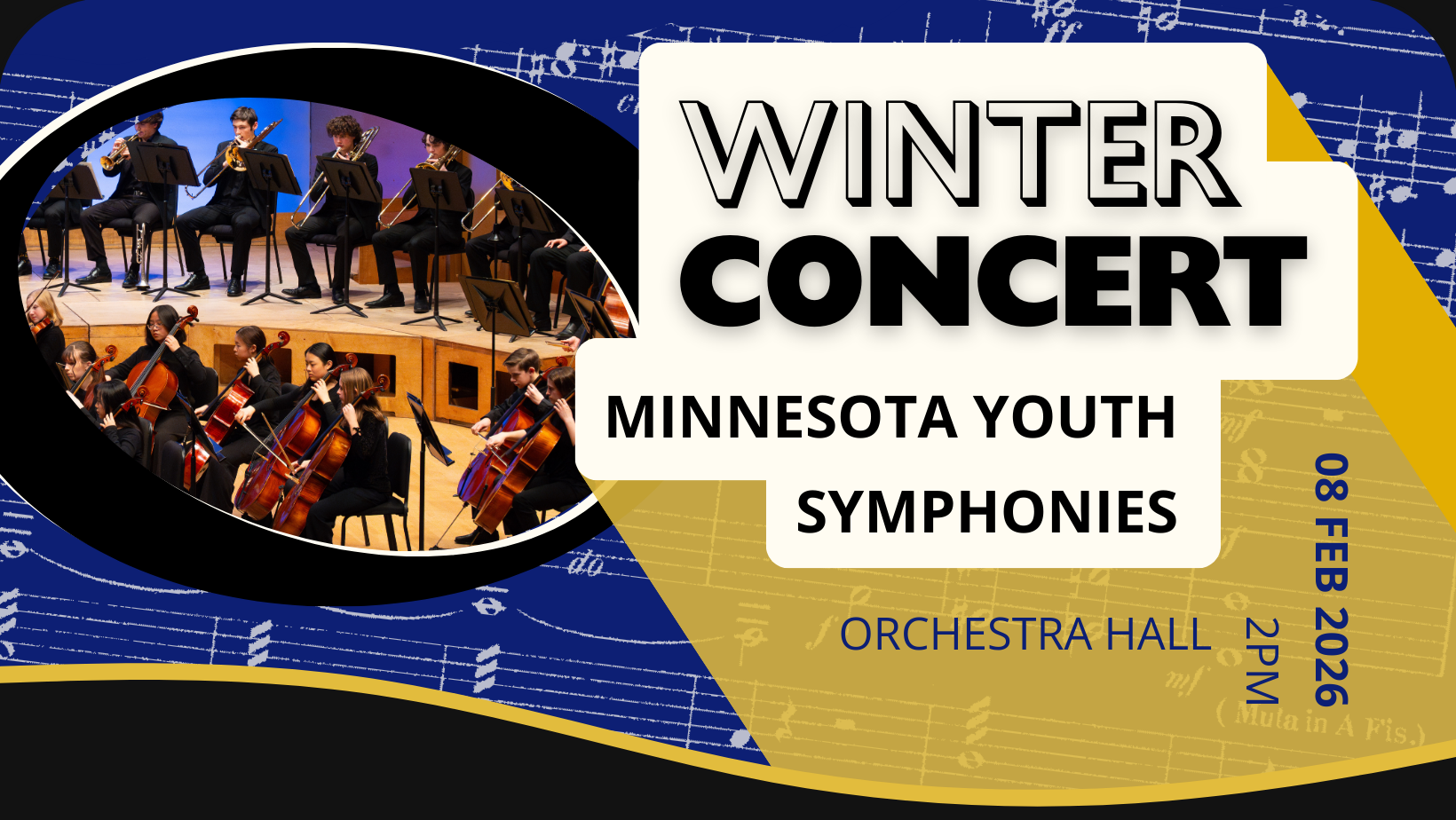
In consideration of the performers and those seated around you, please silence and dim the brightness on your device.
MYS thanks you for reducing paper waste by enjoying this interactive and environmentally-friendly digital program!
-
-
-
-
OPEN HOUSE MONTH
March 7, 14, 21, 2026
Janet Wallace Fine Arts CenterSPRING CONCERT
April 19, 2026 | 2:00 PM
Orchestra Hall2026–27 SEASON AUDITIONS
June 12–13, 2026
Janet Wallace Fine Arts CenterMYS SUMMER EXTRAVAGANZA
June 15–19, 2026
Janet Wallace Fine Arts Center
-
MYS Families & Students
Macalester College
Rosedale Mall
Cheremosh Ukranian Dance Ensemble
Yuri Ivan
Cassian Lee
Dave Owen
Becky Weiland
Jill Westermeyer -
CORPORATE DONORS
3M Community Giving
Anna M. Heilmaier Charitable Foundation
Bartholic Family Foundation
Fred C and Katherine B Andersen Foundation
Greater Twin Cities United Way
Hardenbergh Foundation
J.C. & L.A. Duke Foundation
L & N Andreas Foundation
Margaret H. & James E. Kelley Foundation
House of Note
Margaret Rivers Fund
Meyer Family Charitable Fund
Minnesota State Arts Board
The Julie and Doug Baker, Jr. Foundation
LPL Financial
ITW
Dorsey and Whitney Foundation
Cunningham Family Foundation
Richard and Beverly Fink Family FoundationINDIVIDUAL DONORS
Bashir Ahmed
Stella Anderson
Shelby Andress
Sofia Ardalan
Pamela Arnstein
James Bartsch
Lauren Beatty
Patricia Beatty
David Benditt
Ruth Berman
Brent Bertsch
Neil Bizily
Elaina Bleifield
Natt Bougie
Lanita Brandt
Emmanouil Styliano Brilakis
Nicole Brilakis
McKenzie Brink
Jeffrey Brown
Shirley Burr
Kenneth Butzow
John Callahan
Eric & Heidi Carls
Cathy Carlson
Mary Carolyn
Lucas Casarez
Daniel Chamberlain
Carol Chapple
Lance Chen
James Christopher
Jeff Coate
Jane Connett
Jeanne Corwin
Elizabeth Decourt
Dawning Dev
Bob Devere
Tim & Barb Dickie
Sprina Dong
Rick Doyle
David & Tammy Durant
Randall Eisenbeisz
Irina Elkina
James Ellison
Nicholas Ellison
Mary Emberley
Andrew Engebretson
Jason Etten
Melissa Falb
Faith Farr
Jon Feustel
Bridget Fitzgerald
Patti & Glenn Flekke
Doug Flink
Beth & Mark Fryling
Wei-Hsin Fu
Keith & Jane Gabriel
Keith Gabriel
Julia Ganguli
Barbara Gaynor
Eloise Giannobile
Lorelei Giddings
Carolyn Gilkey
Mark Gitch
Nanette Goldman
Taylor Gorman
Linda Gorton
Stanley Graham
Karen Grandstrand
Paul Grangaard
Marjorie Grinnell
Gary C. Gronert
Yiyu Guo
Julie Haight
Jixiong Han
Brenda Handel-Johnson
Alison Hawkinson
Glenn Hayen
Ray Hayen
Yuko Heberlein
Mark Henderson
Lisa Hertzberg
Lori & Jason Hill
Allison Hinds
Kari Holt
Jifeng Hu
Yadong Huang
Joseph Hwang
Peter Hwang
Gayle Jenni
Owen John
Katherine & Chris Johnson
Nancy Johnson
Stephanie Johnston
Marcia Jones
Todd Jones
David Joo
Linda Jean Karow
Daniel Karpowitz
Catherine Kelly
Natalie Kennedy
Michael Kenny
Paul Kiehne
Gina Kim
Steven And Kirsi Kisner
Jackie Klokonos
Betty Knapstein
Mike & Becky Kneer
Rose Ann Kubicek
Rita LaDoux
Eriko Lampert
Teresa Lavoie
Cassian Lee
Kim Lee
Karen Leigh
Allen Lenzmeier
Heather Lin
Jesse Lipson
Jackie Lo
Tavy Lohrey
Rebecca Lucast
Amanda Luker
Ron & Cathy Lutz
Carson Macynski
Kim Macynski
Richard Marshall
Sylvie and Jeff Martinez-Coate
MB Mathieson
Jennifer Maxa
Kelly Maynard
Meghan McGowan
Susan McMillan
Tara Meade
Alvin Misselt
Melissa Morey
Kevin Mummey
Michael Myhrom
Menaka Nagarajan
Karen Neinstadt
Marilyn Nelson
Kathryn Nettleman
Jeff & Kris Nichols
Jeff Nichols
Judy Nilan
Laura Nilan
Jeff Nordquist
Jeffrey Nordquist
Donna Ohman
Scott Olsen
Bonnie O'Shaughnessy
John Owen
Jiwon Park
Mark Paske
Tim Perry
Julia Persitz
Lindsey Phillips
Donald Place
Gloria Plautz
Angela Podgorski
John Ritchie
Kyle Roeckeman
Patrick & Kathy Romey
Earl Ross
Matt Sabljak
Sheryl & Steven Sattler
Mike Schak
Alecia & Joshuan Scharback
Erika Scheurer
Daniel Schmidt
Carl Schroeder
Susan Scott
Leslie Shank
Ellen Shelton
Richard Shelton
Xiaorong Shi
Joy Showalter
Nancy Shows
Ray & Nancy Shows
John Sielaff
Birgitte Simpson
Diane Skrupky
Margaret Skrypek
Gail Slobodien
Lynn Slobodien
Mark Mandarano & Wilhelmina Smith
Liming Song
Jean Spong
Gordon Sprenger
Cathy Stocker
Paul Swedenborg
Jeremy Swider
Xuemei Tang
Mary Tatarka
Anthony Thomann
Randy & Sandy Thomann
Karma Tideman
Alex Treitler
Valerie Tremelat
Evgueni Tsiper
Christopher Tyndall
Candace Valvano
Osmo Vänskä
Andrew Wagoner
Kevin Wagoner
Alexandra Pitsavas & Luis Wakely
Melody Wang
Wenli Wang
William Wangensteen
Oden Warren
Charles Watt
Barbara Wedekind
Amy Weisgram
Diane Weisgram
William Welke
Dan Wruck
Wei Cheng Wu
Lu Xia
Terri Yetter
Ni Zhang
Ying Zhang
Jinsheng Zhou
Yanrong Zhu
Jeanne & Dale Zimmermann
Larry & Annette Zwemke
Jinsheng Zhou
Yanrong Zhu
Larry & Annette Zwemke -
MYS believes that there are four interweaving components to a well-rounded musical education. MYS understands that participating in each one of these requires commitment, but we affirm that students who engage fully with all four have better opportunities for musical success:
PRIVATE LESSONS
Private lessons are fundamental to learning an instrument. Beginning lessons early allows for age-appropriate instruction that supports students as they grow. Private teachers provide personalized instruction, support student success, and serve as a resource for student opportunities and information.
ENSEMBLES
Ensembles offer students the best opportunity to hone their listening, following, and leadership skills. MYS students do this in a fast-paced environment to develop a foundation for playing as a member of a large orchestra. Small chamber music groups also give students the chance to learn musicianship and take responsibility for playing their part. Conductors and ensemble coaches create a cohesive whole from a collection of individuals, allowing each one to embrace their unique role.
PRACTICE
Home practice is how students apply techniques from their private lessons, work on ensemble music, and develop the discipline to organize their practice time. Understanding a piece of music requires a structured and concentrated practice session. Lessons learned during practice apply to other areas of the student’s life.
SCHOOL MUSIC PROGRAMS
School music programs—whether orchestra, band, small ensembles, or music classes—allow students to engage their musical brains every day. MYS students have the opportunity to be leaders in their programs and develop friendships with their classmates. School music teachers work tirelessly to allocate the resources of their classroom to individual students and find a place for each one to learn.


This activity is made possible by the voters of Minnesota through a Minnesota State Arts Board Operating Support grant, thanks to a legislative appropriation from the arts and cultural heritage fund.
Minnesota Youth Symphonies does not discriminate on the basis of disability in admission or access to, or treatment or employment in, its services, programs or activities. Upon request, accommodations will be provided to allow individuals with disabilities to participate in all Minnesota Youth Symphonies services, programs and activities. Minnesota Youth Symphonies has a designated coordinator to facilitate compliance with the Americans with Disabilities Act of 1990 (ADA), as required by §35.107 of the U.S. Department of Justice regulations, and to coordinate compliance with §504 of the Rehabilitation Act of 1973, as mandated by §8.53 of the U.S. Department of Housing and Urban Development regulations. Upon request, any of our information will be made available in alternative formats such as Braille, large print, audio or digital format. An accessibility services coordinator will be available at all Minnesota Youth Symphonies performances to help provide accommodations for persons with disabilities.
< TOP
WELCOME
Dear Friends,
As today’s program will show in abundance, music carries us away across decades, centuries and millennia, as well as across the globe. The adventurous students in the ensembles at MYS, led by their conductors, will lead us on a journey all the way back to many centuries B.C. with The Iliad, through ancient folk tunes from Ireland (Celtic Roots) and Bohemia (The Moldau), up to music of our time. In a particularly fascinating juxtaposition, the Symphony Orchestra will perform a movement from two symphonies written just a few years apart—William Grant Still’s Afro-American Symphony (1930) and Shostakovich’s Symphony No. 5 (1937)—each of which presents quintessential stylistic traits of their countries of origin, with daring modern touches all their own.
The MYS programs this season continue to explore music by American composers with such iconic pieces as the “Variations on a Shaker Melody” from Copland’s Appalachian Spring, as well as music by Frank Ticheli, Soon Hee Newbold and Samuel Barber. Delving into and celebrating the diverse cultural heritage of the United States has been an enriching experience for all members of our community.
Witnessing these young students achieving at such a high level and working together in cooperation, it’s certainly proper to rejoice in the performance itself—as long as we also honor the long hours of rehearsal and practice and lessons that have made such fine performances come to life! When applauding for the music today, let’s also remember to applaud the teachers and the parents who make it all possible, while cheering for these remarkable students at MYS!
Yours,
TODAY’S PROGRAM
PERCUSSION ENSEMBLE
Aaron Isakson, Conductor
Ephemera
Francisco Perez (b. 1990)
Sofapilla
Chuck Ricotta (b. 1977)
WIND ORCHESTRA
Nicholas Ellison, Conductor
March for Military Band
Ludwig van Beethoven (1770–1827)
arr. Pearson/Elledge/Sorenson
Simple Gifts: Four Shaker Songs
Frank Ticheli (b. 1958)
I. In Yonder Valley
II. Dance
III. Here Take This Lovely Flowery
Fanfare And Flourishes
James Curnow (b. 1943)
STRING ORCHESTRA
Sophia Butler, Conductor
Celtic Roots
Soon Hee Newbold (b. 1964)
Themes from The Moldau
Bedřich Smetana (1824–1884)
arr. Frost
Nocturno Isleño
Rolando Gómez (b. 2001)
Hopak!
William Owens (b.1963)
PHILHARMONIC ORCHESTRA
Kelly DeMorett, Conductor
Academic Festival Overture, op. 80
Johannes Brahms (1833–1897)
“Variations on a Shaker Melody” from Appalachian Spring
Aaron Copland (1900–1990)
The Iliad
Soon Hee Newbold (b. 1964)
REPERTORY ORCHESTRA
Lucas Shogren, Conductor
Music for a Scene from Shelley, op. 7
Samuel Barber (1910–1981)
Overture to Rienzi
Richard Wagner (1813–1883)
— intermission —
SYMPHONY ORCHESTRA
Mark Mandarano, Conductor
Symphony No. 1 (“Afro-American”)
William Grant Still (1895–1978)
I. Moderato assai
Cello Concerto No. 1 in A Minor, op. 33
Camille Saint-Saëns (1835–1921)
I. Allegro non troppo
Samuel Dangerfield, Cello
Symphony Solo Competition Winner
Symphony No. 5 in D Minor, op. 47
Dmitri Shostakovich (1906–1975)
I. Moderato
< TOP
MUSICIANS
PERCUSSION ENSEMBLE
Ethan Anderson
Anthony Bennett
Jacob Best
Devin Christensen
Violeta Ciccone
Andrew Coleman
Lauren Gronert
Alex Lilley
Orion Newhouse
Gavin Sattler
Chloe Smith
Jeremy Taylor
Riley Vosooney
WIND ORCHESTRA
FLUTE
Josephine Muldowney
Juniper Yang
Grace Zhou
OBOE
Elisa McCutcheon
CLARINET
Iris DelCogliano
Enzo Gonzalez-Hoffman
Olivia Phelps
Sonya Sukha
BASSOON
Oscar Beal
HORN
Katrina Dittli
Sylvie Sanny
TRUMPET
Evan Chen
Liam Marte ^
TROMBONE
James Haigh ^
Reed Sullivan
TUBA
Jason Tanksley +
PERCUSSION
Anthony Bennett #
Alex Lilley #
Chloe Smith
# Guest from Philharmonic
^ Guest from Symphony
+ Guest Artist
STRING ORCHESTRA
VIOLIN 1
Catalina Bernaudo
Natalie Donohue
Kathryn Feeney **
Josephine Feliciano
Alfred Hazelton
Yena Kim
Sydnee Nyberg
Oliver Parker
Lucia West
VIOLIN 2
James Brandt *
Celestina De Gracia
Sawserpho Hoe
Ameya Suhasa
Miranda Wang
Maria Wolf
Ava Xie
Louis Yang
VIOLA
Sarit Chaisanguanthum
Ethan Lin
Victoria Wang
David Wu *
CELLO
Elena Araya
Sonya Jiang *
Natalie Jones
Lilian Lien
Emma Steinborn
Mieka Truckenmiller
BASS
Luka Sterk-Ciresi *
PERCUSSION
Devin Christensen ^
** Concertmaster
* Principal
^ Guest from Symphony
PHILHARMONIC ORCHESTRA
VIOLIN 1
Abbey Baer
Helena Chang **
Vivian Jao
Sherry Li
Elena Liu
Rylee Moua
Eleanor Quant
Cleo Ritchie
Simone Schreurs
Sonya Sukha
Lucia Treitler
Gabriel West
Emma Zozulya
VIOLIN 2
Mari Aguirre
Cindy Chen
Josette Gingerich-Boberg
Itzel Hegeman-Duran
Maser Hoe
Mina Mitchelson
Jai Nair
Arya Nair
Anvi Nyalpelli
François Olson Gross
Carl Quant
Ryan Rieck
Elodie Ryan
Valerie S. Samayoa *
Kanako Senn
Keyu Wang
VIOLA
Lilyr̃osa Carlson
Zachray Li
Youchan Song
Dakota Truckenmiller *
Grayson Zimmermann
CELLO
Harry Baer *
Eli Caranicas
Christian Eckerman
Natan Glozman
Yinedi Hashel
Alexander Hoffman
Pete Hovan
Lanxin Ming
Charlotte Nawrocki
Luke Peterson
Emma Ruan
Liam Samuelson
Jorge Andres Sanchez
Cuyler Yang
BASS
Isabel Anderson *
FLUTE
Penelope Brown
Felix Cano
Alisha Draper *
Anna Ganguli
Silas Riach
Samantha Smith
PICCOLO
Samantha Smith
OBOE
Jude Barton
Evy Hansen
CLARINET
Keira Cooper-O'Brien
Owen Ryan
Evelyn Spinti
Elise Tabor
BASSOON
Samantha Jeffers *
HORN
Lucas Kleinjan *
TRUMPET
Grant Chapple
Katrina Dittli *
Nicholas Wallner
TROMBONE
Charles Berkowski *
Lucas Sanny
TUBA
William Speake *
PERCUSSION
Anthony Bennett
Jacob Best
Alex Lilley
PIANO
Adam Ngo ^
HARP
Ben Simmons ^
** Concertmaster
* Principal
REPERTORY ORCHESTRA
VIOLIN 1
Jia Becker
Sophia Christopher
Raymond Huang
Grace Jang **
Liam Kubicek
Lucy Le
Sam McGrath
Julia Peterson
Olivia Phelps
Atticus Sigmund
William Skrypek
Liang Sorman
Enya Wu
Andrew Zhao
VIOLIN 2
Viviana Araya
Alyssa Chamberlain
Teddy Childs
Brigham Dangerfield
Benjamin Ertl
June Kuykendall
Orion Newhouse
Rebecca Prodger
Arthur Scott
Beck Smith
Willa Stewart
Priya Sukha
Sage Vang
Zoe Wicklund
Isaak Wilson
VIOLA
Leonidas Awana
Stella Folland
Carissa Goldstein
Jacob Hu
Erik Kowalski *
David Tran
Justin Zhu
CELLO
Adrian Bach
Aoife Cords
William Danielson
Andrew L. Engebretson
Alexander Huang
Gabe Lenzmeier
Solveig Wilson *
Eric Zhang
BASS
Jack Roeckeman *
FLUTE
Anna Barbato
Savannah McElroy
Zhifang Ming
Lea Povolny
Francine A. Wagner
OBOE
Kylan Hess *
Maddison Smith
ENGLISH HORN
Kylan Hess
CLARINET
Alan Choi *
Calista Leslie
Arwen Patell
Blaine Shogren
Emma Zentgraf
BASS CLARINET
Calista Leslie
BASSOON
Julia Bednar
Micah DeCaro *
Heather Neimeyer +
CONTRABASSOON
Heather Neimeyer +
HORN
Ella Beske
Nicholas Heller-Lopez
Jack Voiles
Tony Whelan *
TRUMPET
Evan Buss
Anders Cambronne *
Rupert Jay Shackleton
Tristan Souder
TROMBONE
Everett Geller
Grant Kennedy
Joseph Massari
Reese Roberts *
BASS TROMBONE
Brooklyn Christianson
TUBA
Everett Tranby *
PERCUSSION
Violeta Ciccone
Andrew Coleman
Samara Isakson
Micah Sethi
HARP
Riley Vosooney
** Concertmaster
* Principal
+ Guest Artist
SYMPHONY ORCHESTRA
VIOLIN 1
Gregory Feeney
Naomi Glozman
Vivian Huang
Qianyi Li
Melody Ma
Rio Mendiola
Mukuhi Njoroge
Arthur Owen
Anna Pitsavas Wakely **
Antonio Rodriguez
Kiara Rohr
Yuchen Shi
Indira Sivaraj
Joseph Young
VIOLIN 2
Anna Bach
Oliver Gamson
Emily Hayek
Helena Hesse-Moline
Sarah Hoopes
Alethea Hwang *
Coralie Jones
Sophie Martinez-Coate
Mark Shi
Beckett Shogren
Isabelle Stiles
Jakob Wilson
VIOLA
Tove Griffiths *
Albert Hao
Kamau Pegg Rodriguez
Claire Secord
CELLO
Anahit (Aeon) Bashir *
Samuel Dangerfield
Hannah Kao
Avery Kliewer
Justin Kuykendall
Noah Scharback
Ivy Spindler-Schwartz
Melody Wang
BASS
Nicolas Nacusi *
Nathan J. Steinberg
FLUTE
Lexi Orum
Olivia Wirtz Diedrich
Rachel Haug +
PICCOLO
Olivia Wirtz Diedrich
OBOE
Emma Burns
Millie Mirfakhraie
Leila Pratt
ENGLISH HORN
Millie Mirfakhraie
CLARINET
James Jang
Evelyn Moren
Rohan Nirmal
Anna Wang
BASS CLARINET
Anna Wang
BASSOON
Logan Skjeveland
Kevin Zhang
CONTRABASSOON
Heather Neimeyer +
HORN
Anna Aman
Finn Netzer
Keith Robertson III
Anthony Stanley +
TRUMPET
Liam Marte
Will Senger
Anna Woods
TROMBONE
Eviatar Elnekave
James Haigh
BASS TROMBONE
Christopher Bennett
TUBA
Jason Tanksley +
PERCUSSION
Ethan Anderson
Devin Christensen
Lauren Gronert
Gavin Sattler
Jeremy Taylor
PIANO
Adam Ngo
HARP
Ben Simmons
** Concertmaster
* Principal
+ Guest Artist
< TOP
ARTISTIC STAFF
-
![]()
Mark Mandarano
Artistic DIrector & Symphony Orchestra Conductor
-
![]()
Lucas Shogren
Repertory Orchestra Conductor
-
![]()
Kelly DeMorett
Philharmonic Orchestra Conductor
-
![]()
Sophia Butler
String Orchestra Conductor
-
![]()
Nicholas Ellison
Wind Orchestra Conductor
-
![]()
Aaron Isakson
Percussion Coach
-
![]()
Rena Kraut
Woodwind Coach
-
![]()
Jason Tanksley
Brass Coach
-
![]()
Jessica Newhouse
String Assistant & Music Theory Instructor
-
![]()
Nick White
Music Theory Instructor


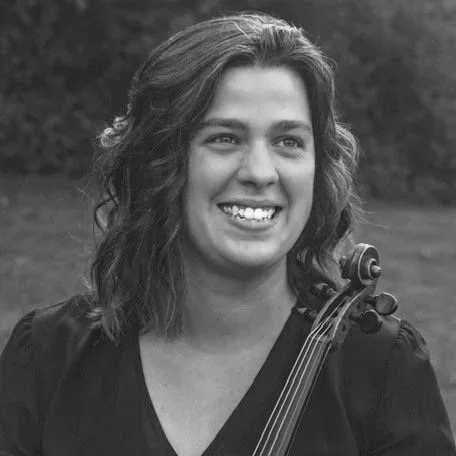


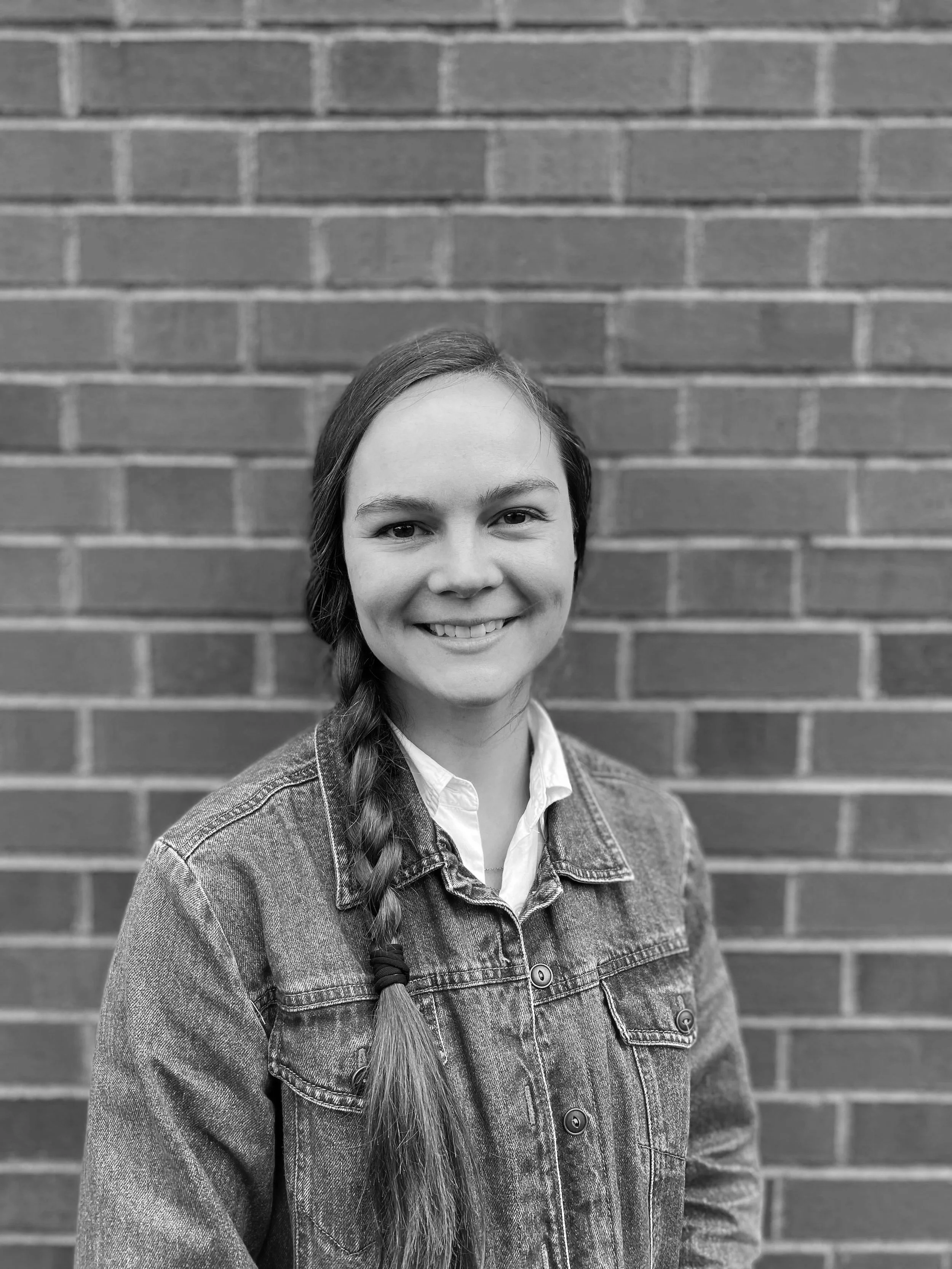

MARK MANDARANO
Artistic Director & Symphony Orchestra Conductor
Mark Mandarano enjoys an international career as a conductor that has included performances at Carnegie Hall, Lincoln Center, and other important venues in the United States and abroad.
He has premiered new works with the New York City Opera, served as principal guest conductor of the Moscow Chamber Orchestra, and has twice been invited by the U.S. State Department to act as a cultural ambassador to Russia, performing the music of Gershwin and Bernstein, with concerts in numerous cities including the Great Hall of the Moscow Conservatory
An advocate of the music of living composers, he has conducted works by Karel Husa, Esa-Pekka Salonen, Steven Stucky, John Corigliano, Ellen Zwilich, Melinda Wagner, David Bruce, Nico Muhly, and others. About his recent CD for Albany Records, Fanfare Magazine has written: “The Mandarano recording is at the top of comparable recordings. Mandarano’s account excels in transparency, detail, and incisiveness…liveliness and verve, with its singing line and unimpeded forward movement.” He has other releases on Arabesque and Bridge Records.
He has conducted performances with the Houston Symphony, Los Angeles Philharmonic, National Symphony, American Symphony Orchestra, and has worked with such conductors as Esa-Pekka Salonen, Osmo Vänskä, Antonio Pappano, Christoph von Dohnanyi, Valery Gergiev, Mstislav Rostropovich, and Leonard Slatkin. Mandarano is the Artistic Director of the Sinfonietta of Riverdale, and has been the Director of the Macalester Symphony Orchestra since 2012. He was named Artistic Director of the Minnesota Youth Symphonies in 2022.
LUCAS SHOGREN
Repertory Orchestra Conductor
Lucas Shogren is a multifaceted musician whose style and energy has been sought after across the United States. He is currently the Orchestra Director at Mounds View High School in Arden Hills, where he teaches over 250 students in 6 different ensembles. He also serves as an adjunct cello instructor at University of Northwestern in St. Paul.
In 2022, he was named Conductor of the Repertory Orchestra. Shogren has been a guest clinician and conductor for several national and state festivals and conferences. In 2019, he was the recipient of The Master Teacher: School Orchestra Award from the Minnesota String & Orchestra Teachers Association.
As a composer, Shogren has been commissioned to compose music for various ensembles. He is also the Executive Producer for Good Courage Music Productions, where he currently composes and produces material used in television and film. His music has been published with Wingert-Jones Publications, Carl Fischer Presser, and In The Groove Music.
Shogren is the cellist and co-composer for the original trio Clocks & Clouds. This group has fused classical and rock styles together to create an exciting performance that has inspired audiences across the country.
Mr. Shogren received a Bachelor of Music in Cello Performance degree and a Bachelor of Music in Music Education degree from the University of Minnesota—Twin Cities, and a Master of Music—Conducting Specialization degree from Colorado State University.
KELLY DEMORETT
Philharmonic Orchestra Conductor
Kelly DeMorett is the Director of Orchestras at East Ridge High School in Woodbury, MN. She has held positions as an oboist (was formerly Principal Oboist and English Horn with the Mankato Symphony Orchestra) and also enjoys freelancing as a violinist, violist and saxophonist.
In 2010, Kelly started the first high school orchestra programs in the South Washington Schools, remaining at East Ridge High School when the programs grew to need a dedicated director for each school. She, along with her district orchestra colleagues, received the MNSOTA Meritorious Orchestra Program award in 2013. Kelly is also one of 20 educators throughout the United States and Canada who were recently awarded Norwegian Cruiseline’s 2024 “Giving Joy Award” for Outstanding Educators.
Kelly’s passion is working with student musicians and helping them create a life-long passion for music. Beyond her work at East Ridge High School, she has served as a conductor and section coach of multiple youth symphonies, honor bands and orchestras in Minnesota and Wisconsin and is a frequent adjudicator and clinician.
Kelly holds a Bachelor of Music in Oboe Performance from the University of Wisconsin-Madison, as well as two Master’s degrees in Education; a Master of Education (in Learning and Technology) and a Master of Science (in Curriculum and Instruction).
Outside of music, Kelly has over 20 years of experience coaching figure skating and has competed multiple times at the USFS Synchronized Skating Championships in the collegiate and adult divisions. She currently works with skaters in Woodbury and Hastings and is proud to coach her daughter, Madelyn. She also has a passion for travel.
Kelly lives in Cottage Grove, MN with her husband, Scott, their 3 daughters and two dogs.
SOPHIA BUTLER
String Orchestra Conductor
Sophia Butler grew up in Burnsville, Minnesota, and played in MYS for 6 years as a young musician. She attended St. Olaf college to study music and anthropology, having the opportunity to play in the St. Olaf Orchestra and sing in the Chapel Choir.
After graduating, she took a fellowship in Juneau, Alaska, to teach elementary and high school orchestra and choir that was rooted in the values and pedagogies of El Sistema. After receiving her teaching license and masters degree in teaching from the University of Alaska Southeast, she accepted a Fulbright grant to teach in Sarawak Malaysia, on the island of Borneo, where she also got to learn the music traditions of the Bedayu and Iban people.
In 2018, Sophia returned to Minnesota and was fortunate to be hired as the orchestra teacher at South High School, where she now teaches band, orchestra, and jazz. When she is not teaching, Sophia is out performing as a violinist/violist, trying out new restaurants, or enjoying the outdoors with her partner and dog.
NICHOLAS ELLISON
Wind Orchestra Conductor
Nicholas Ellison has been the conductor of the Wind Orchestra since 2019, and he teaches middle school band in the Edina Public Schools. He previously held similar teaching positions in the Burnsville-Eagan-Savage, Orono, and Eden Prairie school districts. He has presented and performed at the Minnesota Music Educators Association Midwinter Clinic.
Ellison graduated from St. Olaf College with a degree in music and management—a graduate of the Johnson-Auge School for Music Management.
Ellison has also completed a master’s degree from the American Band College of Sam Houston State University and studied Music Education at the University of Minnesota. He performs as a trumpet player in Encore Wind Ensemble. He has served as a trumpet section coach for Minnesota All-State Bands.
Ellison lives in Minneapolis with his wife, Melissa Morey, MYS Operations Manager.
AARON ISAKSON
Percussion Coach
Aaron Isakson is the director of Instrumental Music and conducts the Concert Band and Percussion Ensemble at Concordia University in Saint Paul. He has been a performing percussionist and has conducted various private school bands in the Twin Cities area since earning his master’s degree in Percussion Performance from the University of Minnesota in 1997.
RENA KRAUT
Woodwind Coach
A professional musician and educator for the past 20 years, Dr. Rena Kraut regularly performs with the Minnesota Orchestra and the Saint Paul Chamber Orchestra. She has held teaching positions at universities and colleges across the Midwest, directed educational workshops and chamber music seminars, led youth camps and competitions, and continues to maintain a private teaching studio.
In 2016, Dr. Kraut founded CAYO, a non-profit organization which seeks to bring together the people of the US and Cuba through education, cultural exchange, and performance opportunities for young musicians. CAYO has developed and executed programming in both the US and Cuba for students, citizens and teaching artists including small-group exchanges, chamber music residencies and large-scale orchestral tours. In 2019, Dr. Kraut was recognized by Musical America as one of 30 top professionals of the year for her work leading CAYO. Dr. Kraut holds degrees from Rice and the University of Minnesota as well as degrees in both music and English from Northwestern University.
JASON TANKSLEY
Brass Coach
Jason Tanksley is a Minnesota-based tubist, performer, and educator who serves as Instructor of Tuba at St. Olaf College. He combines high-level performance with mentorship in a mission to make classical music inclusive and accessible to all, inspiring the next generation of musicians while encouraging them to explore their own musical voices.
He has performed with many of the nation’s leading orchestras, including The Cleveland Orchestra, Los Angeles Philharmonic, Minnesota Orchestra, Atlanta Symphony, Detroit Symphony Orchestra, Seattle Symphony, Kansas City Symphony, Jacksonville Symphony, Oregon Symphony, and the St. Paul Chamber Orchestra. In 2022, he appeared with the Kennedy Center Honors Orchestra in a special tribute to honoree Tania León. He has toured nationally with the Sphinx Orchestra, performed internationally with the Minnesota Orchestra, and regularly presents masterclasses abroad and across the United States, guiding students in building confidence and creativity on their instruments.
In addition to orchestral work, Tanksley is an active chamber musician, soloist, and recording artist, engaging in cross-genre collaborations and educational outreach that bring music to diverse audiences. From 2017 to 2019, he was awarded the Rosemary and David Good Fellowship with the Minnesota Orchestra through a national search.
Outside of music, he enjoys exploring the outdoors and traveling, and his focus on personal growth informs the way he approaches both performance and teaching.
He earned his Master of Music from the Cleveland Institute of Music under Yasuhito Sugiyama and his Bachelor of Music from Wayne State University under Dennis Nulty.
Jason is an Eastman Performing Artist, using instruments crafted with care to explore the full expressive possibilities of the tuba.
JESSICA NEWHOUSE
String Assistant & Music Theory Instructor
Jessica Newhouse has been part of the Twin Cities musical community for decades. After completing her degree in violin performance at The University of Minnesota, Jessica has continued to perform, record, and teach in venues and schools locally and internationally. An MYS alum, Jessica has been part of the organization for over 15 years in the capacity of string assistant, music history teacher, and theory instructor. Jessica and her family spend half the year in Victoria Falls, Zimbabwe, where she is an active part of the local performance scene, and adjunct music instructor at Victoria Falls Primary School.
NICK WHITE
Music Theory Instructor
Nick Jennings White is a composer, musician, and music theorist originally from Tampa, Florida. He holds master’s degrees in Horn Performance and Music Theory from the University of Minnesota where he is currently pursuing his PhD in Music Theory. His research interests include German Romanticism, in particular Richard Strauss, and popular music especially that pertaining to the history and development of the concept album. His music is published through KolyaMusic and Murphy Music Press. He is a proud member of AFM and ASCAP. He lives in Minneapolis with his wife and daughter.
< TOP

FEATURED PERFORMER
SAMUEL DANGERFIELD
Symphony Solo Competition Winner
Samuel Dangerfield, 15, started cello lessons at age 5 with Carolyn Mead, and currently studies with Mina Fisher. He first joined Minnesota Youth Symphonies’ String Orchestra in 2019, and has since enjoyed participating in the MYS Philharmonic, Repertory, and now Symphony Orchestras. He also plays in a piano trio with his brother at Artaria Chamber Music School under Ray Shows’ mentorship, and attended their Stringwood Chamber Music Festival in Summer 2025. In addition, Samuel enjoys making music with his family.
As MYS has been an integral part of Samuel’s musical journey, he was honored to win their Symphony Solo Competition last fall, giving him the opportunity to perform in today’s concert. Other honors include performing in the Mary West Solo Competition Winners Recital (2024 & 2025), 2nd prize in the 2025 Schubert Club Student Scholarship Competition (Strings I Division) and being named the Claire Givens Grand Prize Winner in the 2025 Mary West Solo Competition, which awarded him an upcoming performance with the Bloomington Symphony Orchestra in April 2026.
< TOP
ARTISTIC STAFF
Mark Mandarano, Artistic Director & Symphony Orchestra Conductor
Lucas Shogren, Repertory Orchestra Conductor
Kelly DeMorett, Philharmonic Orchestra Conductor
Sophia Butler, Interim String Orchestra Conductor
Nicholas Ellison, Wind Conductor
Aaron Isakson, Percussion Coach & Percussion Ensemble Conductor
Rena Kraut, Woodwind Coach
Jason Tanksley, Brass Coach
Jessica Newhouse, String Assistant & Music Theory Instructor
Nick White, Music Theory Instructor
Manny Laureano, Symphony Conductor Emeritus
Claudette Laureano, Repertory Conductor Emeritus
BOARD OF DIRECTORS
Jon Feustel, President
Paul Gronert, Vice President
Amy Weisgram, Secretary
Claudia Aizaga
Joe Hwang
Felix Regalado
Alyssa Saint
Jason Wells
Patricia Zurlo
ADMINISTRATIVE STAFF
Tony Thomann, Executive Director
Melissa Morey, Operations Manager
Tara Meade, Communications Coordinator
Murah Hsiung, Head Librarian
Emmy Boonin, Intern
VOLUNTEER LIBRARIANS
Alexandra Pitsavas, Symphony Librarian
Lily Scott, Repertory Librarian
Katherine Johnson, Philharmonic Librarian
Julia Caferri, String Librarian
Joelle Sanny, Wind Librarian
< TOP
SECTIONAL COACHES
Richard Belcher
Rachel Brandwein
Natalia Moiseeva
Erich Rieppel
Stephanie Skor
Jason Wells
Matt Williams
<TOP
VOLUNTEERS
Bethany Aguirre
Jesus Aguirre
Claudia Aizaga
Matias Araya
Maureen Araya
Lauren Beatty
Staci Bennett
Agustín Bernaudo
Andy Caranicas
Carrie Carlson
Judy Cavazos-Beal
Stacy DeCaro
Rachel Dittli
Mina Do
Steven Donohue
Nate Ertl
Gregory Feeney
Jon Feustel
Julia Ganguli
Lori Gingerich-Boberg
Juan Gonzalez
Katy Guo
Teklay Hashel
Yinedi Hashel
Yang He
Lisa Hertzberg
Joe Hwang
Leah Kuykendall
Gabe Lenzmeier
Melissa Lenzmeier
MB Mathieson
Matt Mathieson
Stella Mathieson
Sarah McCaffrey Ritchie
Elena Miranda
Abraham Morey
Jerad Morey
Dave Owen
Andrea Plautz
John Ritchie
Joelle Sanny
Brenda Schreurs
Lily Scott
Jennifer Smith
Liming Song
Robert Speake
Maggie Sukha
Michelle Sullivan
Alex Treitler
Wei Xie
Fei Yang
Alex Zozulya
< TOP
PRIVATE INSTRUCTORS OF MYS STUDENTS
VIOLIN
Grace Abt
Mary Taylor Allen
Francesca Anderegg
Emily Anderson
Stella Anderson
Natalia Badziak
Julia Bartsch
Carrie Beisler
David Block
Christine Chen
Kent Cheng
Kathryn Christie
Susan Crawford
Sylvia del Real
Ray Du
Alexandra Early
Katie Ekberg
Paige Erickson
Ildiko Fox-Gulyas
Jayda Francis
Marissa Frye
Ellen Hacker
Yuko Heberlein
Myra Hinrichs
Alice Min-Ju Hsieh
Devin Kelly
Ellen Kim
Eunice Kim
Eunae Koh
Janelle Lanz
Susie Leek
Kelly Lehr
Jackie Lo
Lara MacLean
Diana Marshall
Lucinda Marvin
Leah Marxhausen
Laurie McFaul
Jennifer McGuire
Natalia Moiseeva
Tony Moussa
Elise Parker
Hansel Perez Carrero
Leif Petersen
Laurie Petruconis
Milana Reiche
John Rose
Earl Ross
Stephanie Skor
Ian Snyder
Mary Sorlie
Dragan Stojkovic
Kelby Strobel
Marnie Thies
Meredith Vaughn
Aubrey Weger
Elizabeth Whipple
Julie Willey
Matt Williams
Samantha Woodworth
Elizabeth York
VIOLA
Rebecca Albers
Elizabeth Cregan
Kelly DeMorett
Sarah Foster
Charles Grey
Miriam Moxness Griffiths
Aaron Janse
Dan Orsen
Kirsti Petraborg
Jennifer Price Thomas
Jacqueline Schmidt
Kiana Welsch
CELLO
Darin Anderson
Rebeccah Parker Downs
Rebecca Ernst
Faith Farr
Mina Fisher
Denise Hernandez Raviero
David Holmes
Kathe Jarke
Susie Leek
Matt Liston
Omar Macias
Ruth Marshall
Sheri Peterson
Abigail Proehl
Patty Raym
Teresa Richardson
Tom Rosenberg
Patricia Ryan
Carlynn Savot
Teddy Schumacher
Megan Scott
Mara Stojkovic
Diane Tremaine
Brenda Villard
Jessica Wallerstedt
Alan Yang
BASS
Bob Anderson
Mark Kausch
Irving Steinberg
Mark Wade
FLUTE
Emily Aberle
Tasha Baroness
Erica Bennett
Tia Burns
Linda Chatterton
Jenny Focht
Carol Gilkey
Donna Hryniewicki
Tara Meade
Vanamali Medina
Dorothy Sauser-Monnig
Sandra Sheih
Melissa Stoudt
Kara Swanson
Fei Wen
OBOE
Brendon Bushman
Sarah Erickson Lume
Katie Hauser
Tina James
Kaia Sand
Lindsey Thompson
CLARINET
Angela DelGreco
Jennifer Gerth
Janet Greene
Karen Hansen
Matty Harris
Robert Haugen
Tessa Larson
Jake Meyer
Melissa Morales
Katrina Mundinger
Nina Olsen
Rebeccah Parker Greene
Simon Plum
Jenny Slivinski
Owen Tucker
BASSOON
Ariel Detwiler
Laurie Merz
Coreen Nordling
Brianna O'Connell
HORN
Delaney Breen
Mary Brindle
Jay Ferree
Melissa Morey
Kaylynn Raper
Matt Wilson
TRUMPET
John Baumgartner
Elaine Burt
Josh Cameron
Trevor Crawford
Manny Laureano
Alex Lyren
Takako Senn
Steve Strand
TROMBONE
Scott Agster
Chris Allen
Peter Guenther
Samantha Hogan
Bryan Johnson
Janet Kolb
Phil Ostrander
Karl Wiederwohl
TUBA
Sage Kiritschenko
PERCUSSION
Brad Draper
Aaron Isakson
Cosette Isakson
Mark Kusche
Derrick Raiter
Erich Rieppel
Steve Roehm
David Thomas
Eron Woods
HARP
Laurie Leigh
Amy Nam
PIANO
Jose Uriarte
< TOP
SCHOOL DIRECTORS OF MYS STUDENTS
Brad Anderson
Shannon Anderson
Michael Bartunek
David Bechard
Tim Beckler
Beth Benshoof
Kathryn Buccola
Pete Buller
Emily Bunnell
Brent Comeau
Joe Coughlin
Morgan Coy
Trevor Curtis
Amanda Czepa
James DeCaro
Matt Dehnel
Brandon Delbow
Kelly DeMorett
Bethany Doffing
Karen Edge
Nicholas Ellison
Almut Englhardt
Phill Erickson
Andy Erickson
Scott Fairweather
Sarah Finn-Sommerfield
Emma Fischer
Geneva Fitzsimonds
Nick Gaudette
Rosa Glade Arnold
Laura Goucher
Paul Gronert
Josie Gruba
Pete Guenther
Chris Gumz
Brian Hadley
Meg Halsten
Erika Hammerschmidt
Timothy Hauser
Katie Henderson
Erin Holmes
Christopher Jannings
Ryan Jensen
Stephen Johnson
Thomas Jones
Zane Kaiser
Tark Katzenmeyer
Justin Kennedy
Paul Kile
Susan Kim
Keith Koehlmoos
Kate Kowalkoski
David Kozamchak
Brady Krusemark
Brian Larson
Claudette Laureano
Hannah Lawson
David Livermore
Cameron Longabaugh
Tim Martin
Kevin Martin
Joel Matuzak
Suzanne Mauer
Ian McKnight
Katherine Moreaux
Andrew Nelson
Melissa Nielsen
Ashley Olson
Matt Oyen
Scott Palmer
Matt Pearson
Michael Pearson
John Rosner
Angelique Rowell
David Scalise
Justin Schramm
Kathleen Schularick
Lucas Shogren
Leon Sieve
Wendell Sletten
Melody Snyder
Adam Sroka
Bill Sucha
Paul Swanson
Alison Swiggum
Breanna Taft
Carmela Thiele
Mike Whipkey
Teddy Williams
Nicholas Wilson
Reid Wixson
Colin Woelfle
Ross Wolf
Traci Youngs
PROGRAM NOTES
-
![]()
FRANCISCO PEREZ
Ephemera
-
![]()
CHUCK RICOTTA
Sofapilla
-
![]()
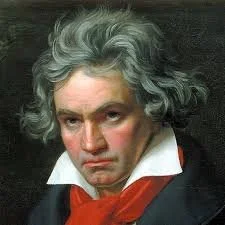
LUDWIG VAN BEETHOVEN
March for Military Band
-
![]()
FRANK TICHELI
Simple Gifts
-
![]()
JAMES CURNOW
Fanfare And Flourishes
-
![]()
SOON HEE NEWBOLD
Celtic Roots & The Iliad
-
![]()
BEDŘICH SMETANA
Themes from The Moldau
-
![]()
ROLANDO GÓMEZ
Nocturno Isleño
-
![]()
WILLIAM OWENS
Hopak!
-
![]()
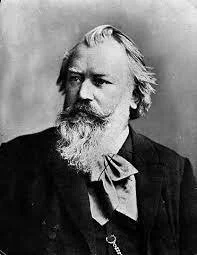
JOHANNES BRAHMS
Academic Festival Overture
-
![]()
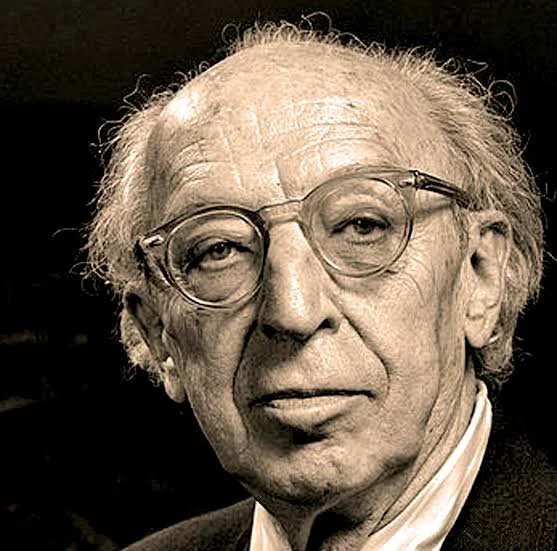
AARON COPLAND
“Variations on a Shaker Melody” from Appalachian Spring
-
![]()
SAMUEL BARBER
Music for a Scene from Shelley, op. 7
-
![]()
RICHARD WAGNER
Overture to Rienzi
-
![]()
WILLIAM GRANT STILL
Symphony No. 1 (“Afro-American”)
-
![]()
CAMILLE SAINT-SAËNS
Cello Concerto No. 1 in A Minor, op. 33
-
![]()
DMITRI SHOSTAKOVICH
Symphony No. 5 in D Minor, op. 47
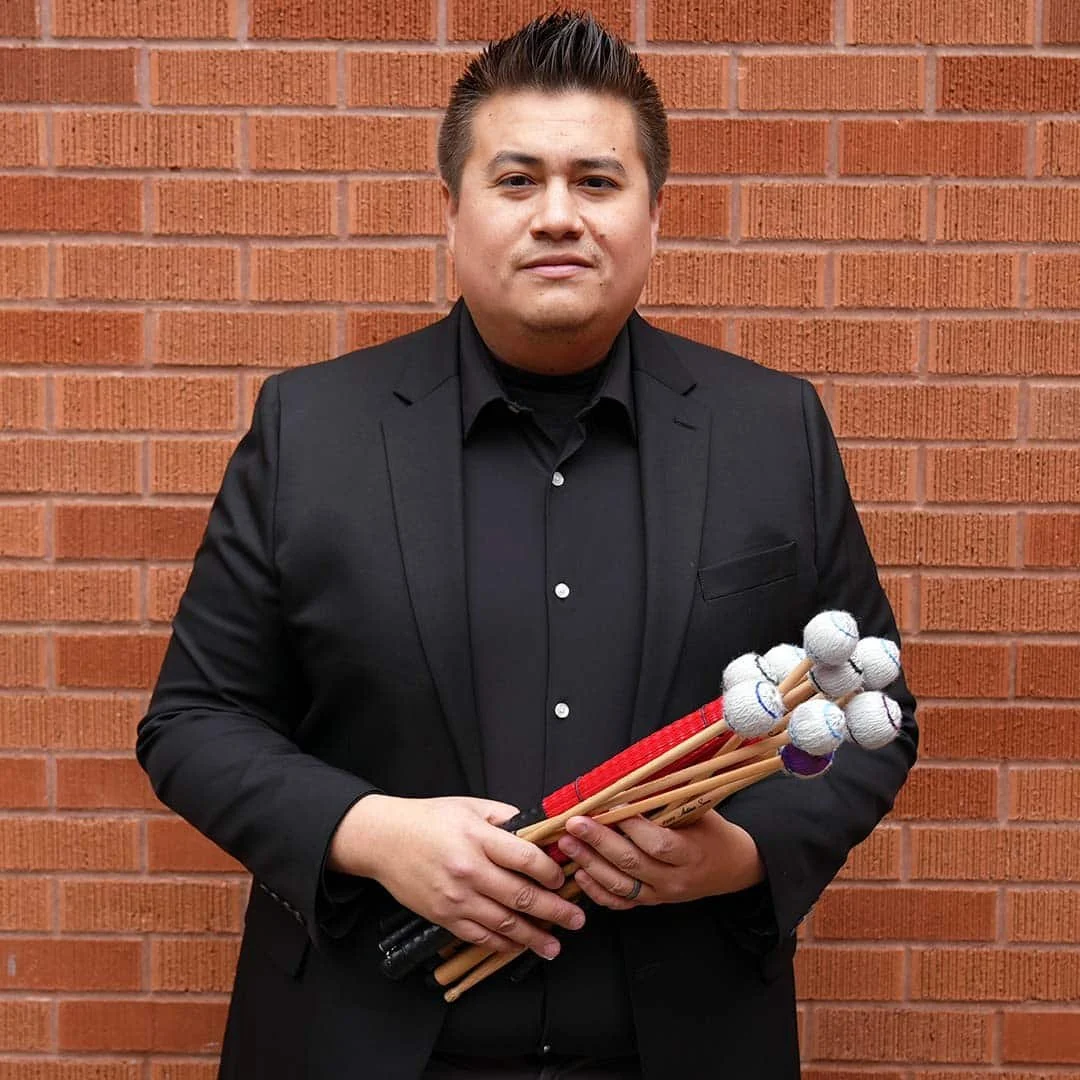
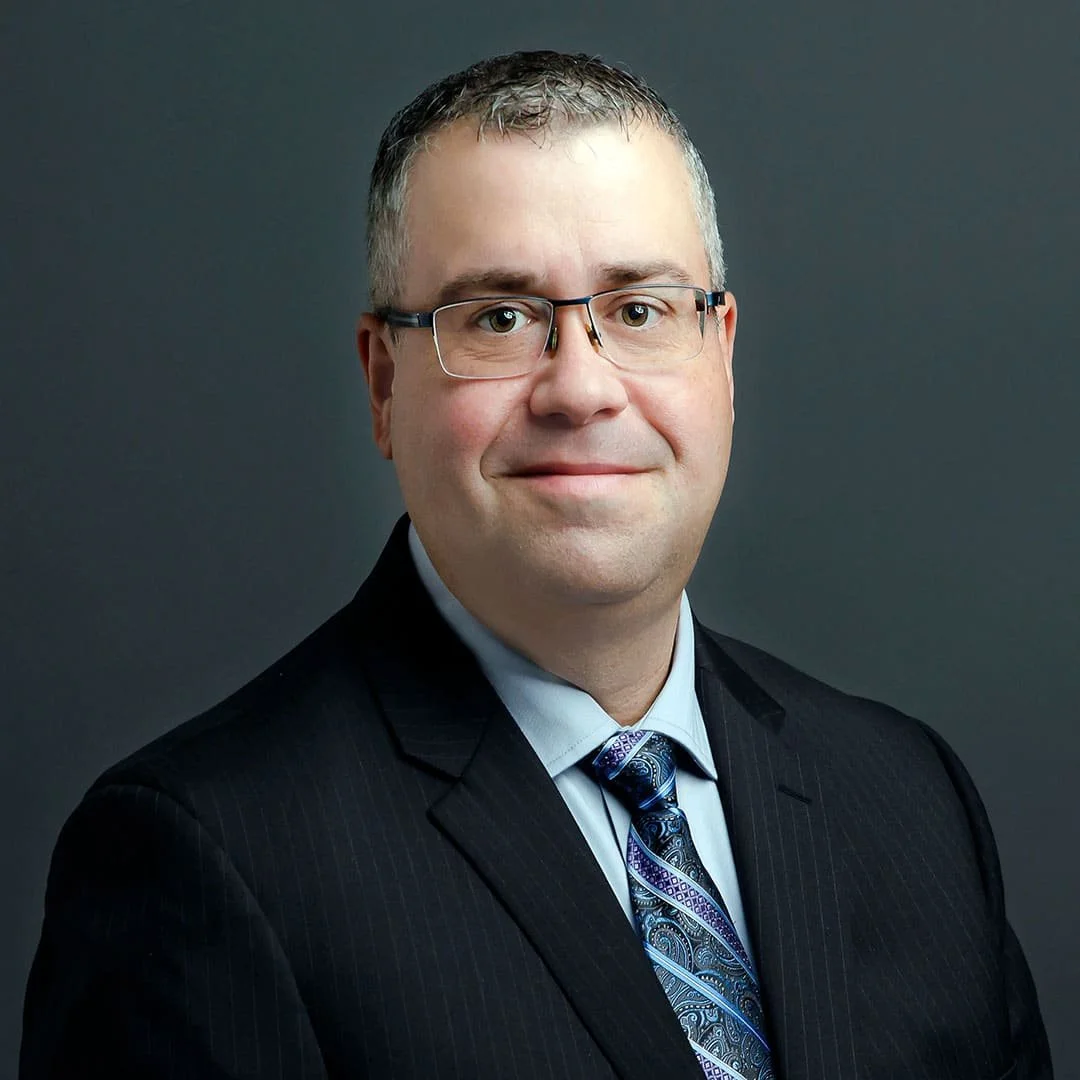
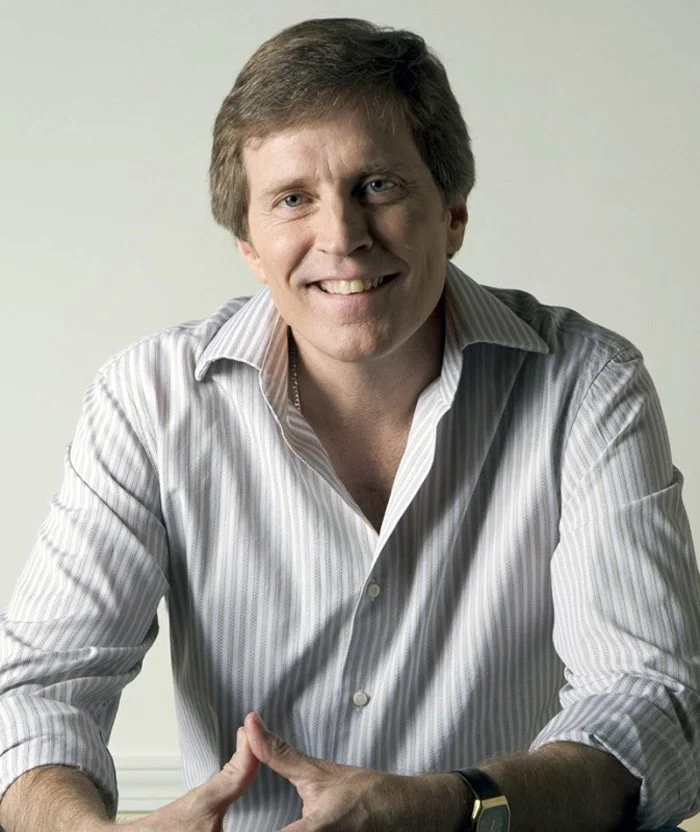
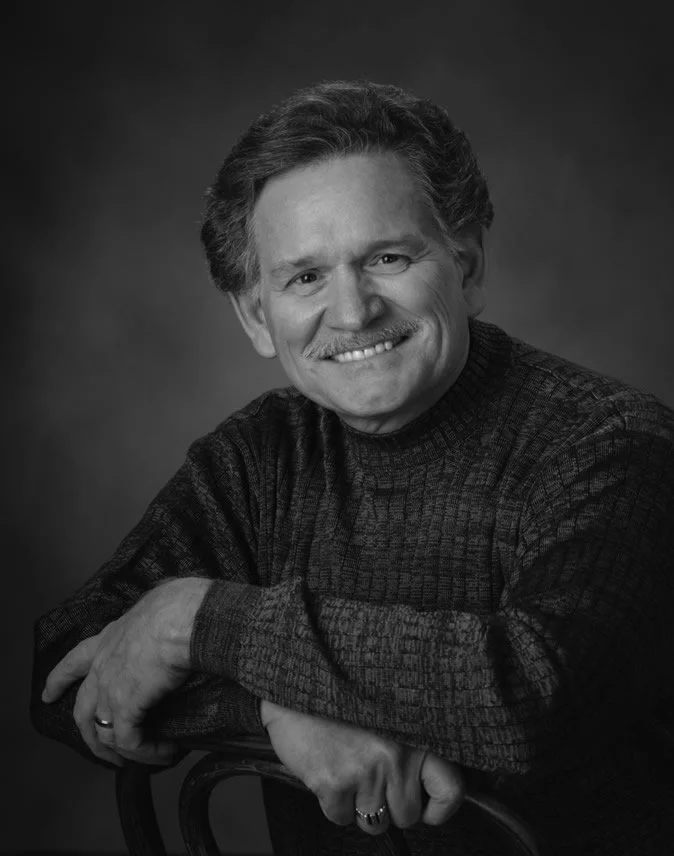
PROGRAM NOTES
FRANCISCO PEREZ
Ephemera
Dr. Francisco Perez is a percussionist, composer, and educator from Pflugerville, TX.Francisco Perez wrote Ephemera following a two-year hiatus from composing any original percussion music. Inspired by the grit of his students at Lamar University over the eventful 2020-21 school year, Perez refers to this piece as “deeply meaningful.” The word “ephemera” is defined as “things that exist or are enjoyed for only a short time” – things that are fleeting, momentary. This piece features energetic, blazing-fast rhythmic figures and runs in a tonal harmonic language.
CHUCK RICOTTA
Sofapilla
Since 2002, Chuck Ricotta has served as the Percussion Instructor and Arranger for the Michigan Marching Band. He has previously served on the percussion staffs of the Phantom Regiment Drum & Bugle Corps and the Penn State University Indoor Drumline. In addition to his work with the Michigan Marching Band, Chuck currently serves as the principal percussionist for the Flint Symphony Orchestra. Additionally, Chuck has performed with numerous orchestras including the Detroit Symphony Orchestra, the Michigan Opera Theatre, the Ann Arbor Symphony, and the New World Symphony.
Sofapilla is a large percussion ensemble piece that requires a strong sense of groove. Because of the rhythmic variety within individual parts, players must be aware of how their rhythms fit into their fellow performer's rhythms so that the overall groove is solid.
LUDWIG VAN BEETHOVEN
March for Military Band
Beethoven was a German composer and pianist who is one of the most admired composers in the history of Western music. His musical talents were clear from a very young age and he was taught very intensely by his father before taking lessons from Christian Gottlob Neefe. Under Neefe, he published his very first works for keyboard, and after several years of study, Beethoven began teaching students of his own. At age twenty-one he moved from his hometown, Bonn, to Vienna where he studied composition under Haydn and gained his reputation as a virtuosic pianist.
Beethoven’s first major orchestral works and string quartets appeared in 1800–1801, just as his hearing began to decline. Though increasingly affected, he continued composing in silence about his condition for years. In 1802, he poured his despair into the Heiligenstadt Testament, a letter to his brothers that reveals his fear of isolation and the loss of his musical life. Yet even as his hearing worsened, Beethoven produced some of his most revolutionary works, including his Third and Fifth Symphonies, which reshaped the course of classical music.
Around this same early period—before his hearing loss became complete—Beethoven also wrote lighter, more occasional pieces such as his marches for Military Band. Composed while he was still active in public life, the march reflects the ceremonial and patriotic musical style popular in Vienna at the time.
FRANK TICHELI
Simple Gifts
Frank Ticheli has been a leading voice in American concert band music since the 1990s, composing in a wide range of styles. Growing up Louisiana and Texas, he draws on influences such as New Orleans jazz, Southern folk music, and the expressive possibilities of the wind ensemble.
Ticheli is especially known for his transparent orchestration, favoring clear textures and pure instrumental colors rather than constant full ensemble sound. He believes leaner writing encourages greater confidence and sensitivity in young musicians.
Composed in 2002, Simple Gifts: Four Shaker Songs sets traditional melodies from the Shaker community, a religious group devoted to simple living and worship through song and dance. Ticheli sought to preserve the simple, straightforward beauty of these folk songs.
The first movement, “In Yonder Valley,” is based on the oldest surviving Shaker song whose text and music are a celebration of nature. The second movement, “Dance,” draws from an 1830s melody, while the third, “Here Take This Lovely Flower,” is a lullaby reflecting the Shakers’ ideal of childlike simplicity.
JAMES CURNOW
Fanfare And Flourishes
James Curnow is an American composer who has taught instrumental music and received numerous awards for teaching and composition. Curnow has been commissioned to write over 400 works for concert band, brass band, orchestra, and choir, and his total published
works now number well over 800. Based on Marc-Antoine Charpentier's (1634-1704) "Te Deum", Fanfare and Flourishes for a Festive Occasion was commissioned for the 1991 European Brass Band Championships held in Rotterdam, Holland and has since become a staple of the concert band repertoire.
SOON HEE NEWBOLD
Celtic Roots & The Iliad
Newbold is a contemporary American composer, conductor, and violinist. Born in South Korea and raised in the United States, she began studying piano and violin at an early age and later pursued music and science at James Madison University. Her compositions often draw on global musical traditions, cinematic styles, and storytelling elements.
Celtic Roots starts with a slow introduction that evokes ancient chant, but it quickly moves into a call-and-response form. A solo violin starts a galloping jig, which is then taken up by the full orchestra. The soloist then calls out a reel, and the orchestra picks up the tune, accelerating to a celebratory finish.
Newbold’s The Iliad musically tells the tale – originally an epic poem attributed to Homer – of the Trojan War and one of its main characters, the legendary Achilles. The story centers around themes of glory, pride, fate, and wrath. This cinematic work depicts danger and heroics – an opening fanfare gives way to a dark battle scene, then moves toward a victorious ending.
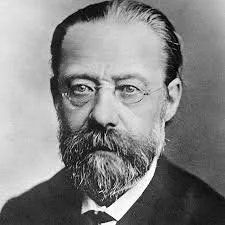
BEDŘICH SMETANA
Themes from The Moldau
Smetana was a Czech composer who has long been regarded as the father of Czech music in his home country of Bohemia (now known as the Czech Republic, at that time Czech lands included Bohemia, Moravia, and Czech Silesia). A gifted musician and composer in childhood, the first performance of his music was when he was only 6 years of age. Though he was completely deaf by age 50, Smetana continued composing for the rest of his life.
In 1872, Smetana composed a musical story of Czech history, legends, and landscapes, as a tribute to his country, titled Má vlast (“My Homeland”). The Vltava ("The Moldau") movement – arguably Smetana’s most famous orchestra composition – depicts the Moldau River as it runs down the mountains, over the Czech countryside, and through Prague. Based on memories of his own visits to the river and imagining all of the stories that took place on the river’s banks, Smetana used different instrument families to represent white water rapids, hunters chasing deer through the woods, a wedding polka, and even imagined mermaids.
ROLANDO GÓMEZ
Nocturno Isleño
Gómez is a Miami-born composer, tresero, and music educator whose work bridges Cuban, Jazz, Classical, and European Modernist traditions. A classically trained cellist turned tresero, Gómez writes chamber, vocal, and electronic works that often combine Afro-Cuban rhythmic language with experimental structural approaches. His music reflects a transnational aesthetic rooted in diasporic memory and contemporary practice. A defining thread in Gómez’s creative life is the Cuban tres, a traditional string instrument central to his heritage.
As an educator, Gómez is committed to making musical traditions accessible and culturally meaningful. Whether through performance, education, or community-building, Gómez’s work bridges artistic traditions and forges new musical futures grounded in memory and innovation.
Nocturno Isleño is a nocturne for string orchestra, with a strong Cuban influence. Inspired by the rich musical heritage of Cuba, Nocturno Isleño draws from the rhythmic language of popular Cuban genres, notably the bolero and the danzón. The composition also weaves in elements of folkloric music, creating a harmonious blend that reflects the vibrant musical culture found on the enchanting Cuban isle.
WILLIAM OWENS
Hopak!
Owens is a native of Gary, Indiana and a 1985 graduate of VanderCook College of Music in Chicago. A seasoned music educator, Owens is active as a composer, conductor, and clinician throughout the United States and Canada. Owens has written nearly 200 commissioned and published works for concert band and string orchestra.
The origins of the Hopak dance date back to the 16th century in the territory now known as the Ukraine. Originally a male-dominated domain, it would later be adopted by solo dancers, couples, and mixed dance groups. Largely improvised and physically demanding, this popular dance is known for high leaps, squatting kicks, and swift turns. The Ukrainian word "hopak" literally means to hop or jump.
A fiery introduction quickly sets the pace for this energetic work. The main dance melody is heard shortly thereafter, evolving as it passes through the various sections of the ensemble. The dance suddenly slows, only to gradually quicken back to the original lively mood. The music then continues to hasten to the wonderfully frantic finish.
JOHANNES BRAHMS
Academic Festival Overture
Brahms was raised a performer. He learned violin, cello, and began studying piano seriously at age seven. However, he was especially interested in composing despite his parents’ early disapproval. He wrote several chamber works in his early years and focused on sonatas and concertos rather than large orchestral works. Brahms was his own biggest critic; he destroyed many of his early pieces and reworked compositions to a degree that others found to be overly academic.
In 1879, the University of Breslau (then Prussia, now Poland) awarded an honorary doctorate to Brahms, who by this time in his life was recognized as a preeminent composer. Rather than send the expected letter of thanks, he instead crafted his Academic Festival Overture (more accurately translated as “overture in a festive style”) to express his gratitude. Known for his seriousness – Brahms historically frowned upon humor in music – it is surprising that he chose to structure this work around a collection of traditional student drinking songs, all of which the university audience of the time would have recognized. While he quoted many tunes not of his making, the weaving of them into a cohesive concert masterpiece is all Brahms.
AARON COPLAND
“Variations on a Shaker Melody” from Appalachian Spring
Copland was an American composer and conductor who was widely regarded as one of the most important figures in Twentieth-Century music. He is particularly known for his contributions to American classical music and his incorporation of folk melodies into his compositions. Copland was born in Brooklyn, New York and began studying music at a young age. He eventually studied in France with renowned composer Nadia Boulanger, who had a significant impact on his style. Copland's early works were influenced by jazz and modernist composers such as Stravinsky and Schoenberg, but he eventually developed a more accessible and populist style that reflected his interest in American folk music.
Copland received numerous awards and honors throughout his career, including the Pulitzer Prize for Music and the Presidential Medal of Freedom. His music continues to be celebrated for its uniquely American sound and its ability to capture the spirit of the country.
Variations on a Shaker Theme is one of Aaron Copland’s most introspective and luminous works. It is derived from themes used in his ballet "Appalachian Spring” and has been arranged for a variety of different ensembles. The piece is based on the Shaker hymn “Simple Gifts,” which is presented first in a hushed, almost fragile statement. Rather than treating the tune with overt virtuosity, Copland unfolds a series of variations that grow gradually in color, texture, and emotional weight. Each variation explores a different facet of the melody—sometimes spare and transparent, sometimes warm and expansive—while preserving its essential simplicity. The music builds toward a broad, glowing climax before gently receding, ending with a sense of quiet acceptance. Throughout the work, Copland’s signature clarity of orchestration and open harmonic language transform a humble spiritual song into a meditation on stillness, dignity, and inner strength.
SAMUEL BARBER
Music for a Scene from Shelley, op. 7
Barber was one of America’s most significant 20th-century composers. Born in West Chester, Pennsylvania, he studied at the Curtis Institute of Music and built a career balancing orchestral, vocal, chamber, and operatic works. Known for his melodic gift and emotional directness, Barber became especially celebrated for Adagio for Strings (1936) and won two Pulitzer Prizes during his career.
Music for a Scene from Shelley, Op. 7 (1933) is an early orchestral tone poem by Samuel Barber, composed when he was still in his early twenties but already demonstrating his gift for expressive, atmospheric writing. Barber completed the piece during a summer visit to Italy in 1933, where the serene views of Lake Lugano and the Swiss Alps from Cadegliano—where he was staying with fellow composer and lifelong partner Gian Carlo Menotti—inspired him. Although the work’s title and emotional charge are drawn from lines in Act II, Scene 5 of Percy Bysshe Shelley’s Prometheus Unbound—in which the goddess Panthea invites her sister Asia to listen to “voices in the air”—the music does not depict specific events so much as evoke a mood of poetic mystery and yearning.
Scored for large orchestra, the piece opens with a haunting four-note descending motif set against a murmuring orchestral backdrop. Rather than developing this motif in a traditional thematic sense, Barber repeats it through shifting textures and timbres, allowing small changes in color and dynamics to build an emotional trajectory. New material enters and leads the music toward a dramatic, almost visceral climax before it gently subsides, leaving a lingering sense of unresolved introspection. This approach—rich in Romantic lyricism but shaped by a modern sensitivity to orchestral color and atmosphere—reflects Barber’s broader aesthetic: rooted in traditional harmony and expressive line while avoiding the more radical experimental trends of his contemporaries.
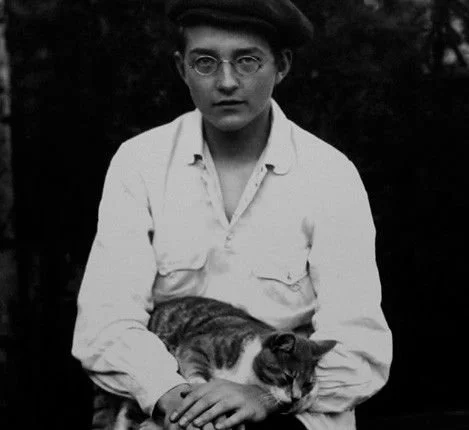
The work premiered at Carnegie Hall in New York on March 24, 1935, performed by the New York Philharmonic–Symphony Orchestra under Werner Janssen. Though never as widely known as Barber’s later Adagio for Strings, Music for a Scene from Shelley brought early recognition to its young composer: in 1935 Barber was awarded the American Academy in Rome’s prestigious Prix de Rome and a Pulitzer travelling fellowship (shared with his Sonata for Cello and Piano), honors that enabled him to return to Italy to compose his First Symphony.
RICHARD WAGNER
Overture to Rienzi
Born in Leipzig, Germany, Wagner grew up immersed in the arts, especially theater. Though he began his career writing relatively conventional operas, he soon developed bold, revolutionary ideas that would reshape the genre entirely. Wagner believed opera should be a "total work of art" (Gesamtkunstwerk)—a fusion of music, poetry, staging, and visual art. He wrote both the librettos and music for his operas, crafting vast mythological and philosophical worlds. In his later years, Richard Wagner dismissed his five-act opera, Rienzi, the Last of the Tribunes, as a “youthful sin.”
Completed in 1840 when the composer was 27 years old, Rienzi stands in stark contrast with Wagner’s mature work. It was elaborately conceived as Grand Opera in the French tradition. Wagner’s megalomaniacal intention was “to outdo all previous examples with sumptuous extravagance.” The premiere in Dresden on October 20, 1842 lasted over six hours with breaks and included a 40 minute long ballet. The story is based on a novel by the English writer, Edward Bulwer-Lytton. Later critics called the libretto, written by Wagner, “wordy and convoluted”.
Perhaps as a result of its unwieldy dimensions, Rienzi is rarely performed as a full opera. Yet, its powerfully dramatic Overture lives on in the concert hall. The Overture begins with a single, mystical trumpet call which foreshadows the battle calls of Act 3. Gradually, the other instrumental voices seem to awaken from a dream. Suddenly, the music finds a way forward with a noble theme which returns in Act V as Rienzi’s prayer, Allmächt’ger Vater (“Almighty Father”). The Overture concludes with a rousing military march from Act III. At moments, the influence of Carl Maria von Weber (1786-1826) is evident. Ultimately, the Rienzi Overture is a thrilling orchestral tour de force.
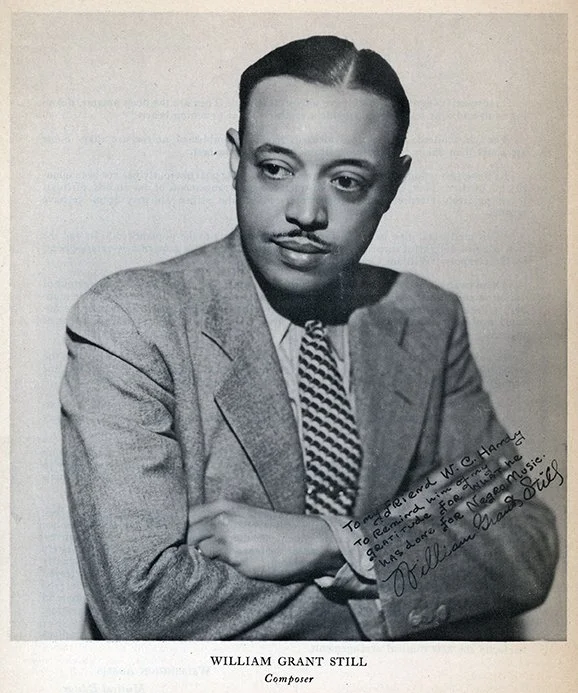
WILLIAM GRANT STILL
Symphony No. 1 (“Afro-American”)
William Grant Still was a towering figure in American music and a pioneering voice in 20th-century classical composition. Born in Woodville, Mississippi, and raised in Little Rock, Arkansas, Still showed early musical promise, studying violin as a youth and teaching himself to play many orchestral instruments. He pursued formal studies at Wilberforce University and the Oberlin Conservatory of Music, where he studied with influential teachers including George Whitefield Chadwick and later Edgard Varèse. Over the course of his career, Still composed nearly two hundred works across a wide range of genres—five symphonies, four ballets, nine operas, and numerous choral, chamber, and solo pieces—blending classical traditions with the rhythms and inflections of blues, jazz, spirituals, and other American idioms. His Afro-American Symphony (1930) not only became one of the most widely performed American symphonies of its day but also helped establish his voice as a defining contributor to an authentically American sound.
Still broke significant racial barriers in American musical life, earning the informal title “Dean of African-American Composers.” He was the first African-American composer to have a symphony performed by a major orchestra, the first to have an opera produced by the New York City Opera, and the first to conduct a major American symphony orchestra, marking historic milestones in the classical world. Throughout his life he remained an ardent advocate for the performance of works by American composers and a mentor to younger generations of musicians. Honors throughout his lifetime and posthumously—Guggenheim Fellowships, honorary doctorates from numerous institutions, and cultural monuments in his name—reflect the lasting impact of his music and his role as a trailblazer whose work continues to inspire audiences and artists alike.
The “Afro-American Symphony”, also known as Symphony No. 1 "Afro-American" and Symphony No. 1 in A-flat major was composed in 1930. The first symphony written by an African American and performed for a United States audience by a leading orchestra. It was premiered in 1931 by the Rochester Philharmonic Orchestra and later published in 1935.It is a symphonic piece for full orchestra. It combines a fairly traditional symphonic form with blues progressions and rhythms that were characteristic of popular African-American music at the time. This combination expressed Still's integration of black culture into the classical forms. Still used quotes from four poems by early 20th-century African-American poet Paul Laurence Dunbar as epigraphs for each symphonic movement.
CAMILLE SAINT-SAËNS
Cello Concerto No. 1 in A Minor, op. 33
Saint-Saëns was a French composer, pianist, and organist whose long career spanned the Romantic era into the early 20th century. A musical prodigy, he gave his first public performance at age ten and was admired for his technical skill and elegant style. Saint-Saëns composed in nearly every genre—symphonies, concertos, chamber music, and opera—and is perhaps best known for The Carnival of the Animals, Danse Macabre, and his Organ Symphony.
Camille Saint-Saëns’s Cello Concerto No. 1 in A minor, Op. 33—composed in 1872 for the French cellist and instrument maker Auguste Tolbecque—remains one of the most beloved and innovative works in the cello repertoire. Rather than adopting the traditional three-movement concerto format, Saint-Saëns crafted a single, continuous span of music containing three interlinked sections, allowing thematic ideas to flow seamlessly and cyclically throughout the piece. The work launches boldly with an immediate solo entrance from the cello against an energetic orchestral backdrop, demanding both virtuosic flair and expressive depth from the soloist. Melody and momentum grow organically through lyrical episodes and rhythmic vitality, showcasing the cello in its full expressive range while preserving clarity of form and orchestral balance. Celebrated for its dramatic coherence and radiant Romantic sound world, the concerto has long been admired by audiences and cellists alike. In this performance, we have created an ending for the first movement.
DMITRI SHOSTAKOVICH
Symphony No. 5 in D Minor, op. 47
Shostakovich was a Soviet-era Russian composer and pianist who rose to popularity during Joseph Stalin’s dictatorship. He was a vitally important composer not only during his time but still today, leaving behind several coded messages and political thoughts in his compositions. Shostakovich was involved in music nearly all his life, beginning piano lessons with his mother at age nine and composing at age twelve. At thirteen, he was accepted into the Petrograd Conservatory, where he studied piano and composition. His career took off once he graduated at age nineteen, and as he rose to prominence, Stalin kept a watchful eye on him.
Stalin understood the power of music—its impact on people and its political usefulness. He censured many artists and composers and threatened the lives of those who created work that he claimed did not conform to the Socialist Realism movement. Shostakovich fell in and out of Stalin’s favor several times for writing music that was considered too complex for the masses to understand. Remarkably, the composer managed to remain safe by issuing public apologies and writing compositions with hidden double meanings. By writing within Stalin’s expectation for unifying propaganda, Shostakovich was able to express the experience of the suffering and the bitter humor of the people within the Soviet Union while avoiding censorship.
Dmitri Shostakovich’s Symphony No. 5 occupies a unique and complex place in 20th-century music history. Premiered in 1937 to thunderous acclaim, the work was publicly celebrated as the composer’s return to favor after harsh official criticism of his earlier music. At the time, the symphony was widely interpreted as a story of triumph through struggle—a narrative consistent with Soviet artistic expectations and one that helped restore Shostakovich’s standing.
Later revelations, however, complicate that reading. Rather than offering genuine victory, the symphony’s powerful finale can be heard as deeply ambiguous, even grim. What sounds on the surface like exultation may instead suggest enforced celebration—music driven forward by relentless rhythms and blazing brass, not joy. From this perspective, the Fifth Symphony becomes not a statement of ideological redemption, but a profound expression of human suffering, resilience, and quiet defiance, shaped by compassion rather than propaganda.


This activity is made possible by the voters of Minnesota through a Minnesota State Arts Board Operating Support grant, thanks to a legislative appropriation from the arts and cultural heritage fund.